
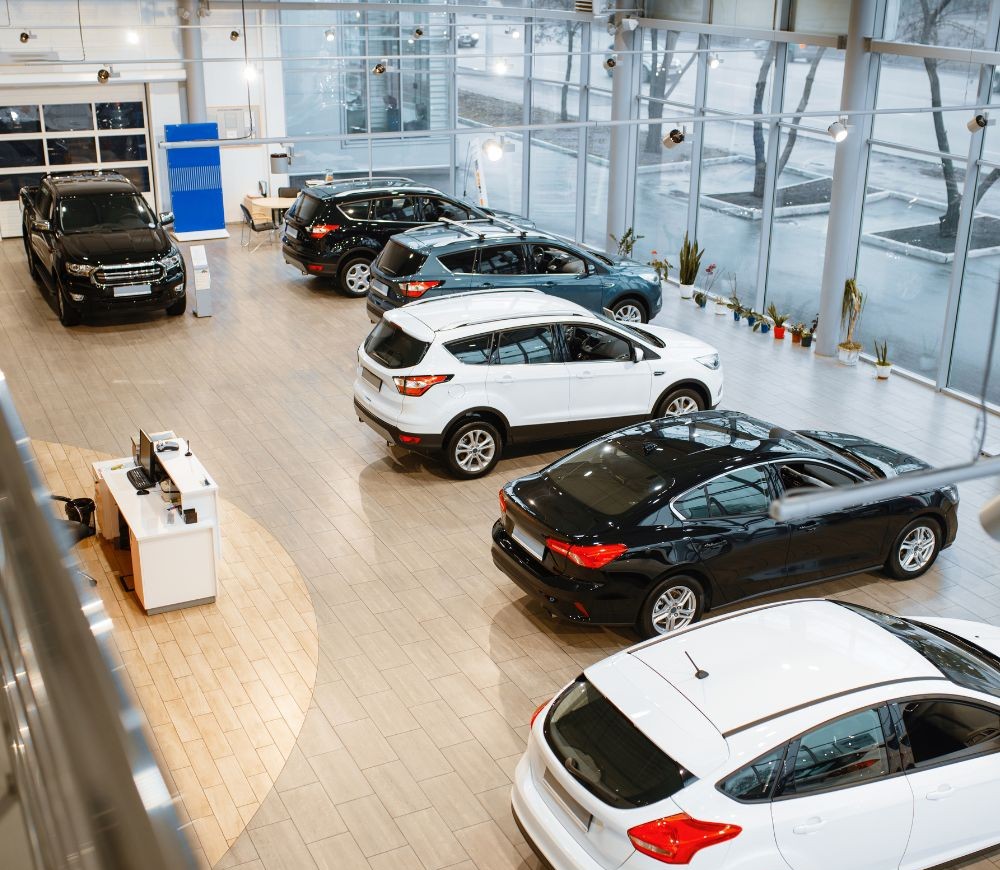
Everyone around you is excited for you because it’s a new car. It’s shiny, bright, and packed with exciting new features. Your last car was from the 2000s, and you were lucky if the key fob unlocked the doors. Now cars basically drive themselves, talk to you about everything, and yell at you when they think you’re in danger.
People think buying a car is exciting.
However, when you’re autistic, ADHD, or otherwise neurodivergent… think again.
I bought my last car in the 2010s, and when I think back to that experience, it was nerve-racking. Even now, just thinking about it can make the anxiety start creeping back in. I made it through mostly because a family member told me what to do, what to say, and where to sign.
Roughly 13 years later, it was time to look for a new car. I had put it off for as long as possible because, well, I hate making choices, big life decisions, and pushy people.
Unfortunately, all three come included with car shopping. And if you’re neurodivergent, the process often feels like it was designed by people who love quick decisions, constant social interaction, and high-pressure environments.
Enter the Salespeople
I visited countless showrooms, looking at different vehicles, sitting in them, and trying to understand what were essentially computers on wheels. And when you’re in a showroom, you know you’re eventually going to run into a salesperson. Some dealerships let us wander around long enough to actually look at cars in peace.
Others?
We were pounced on within 30 seconds of walking through the door, as if they all stand outside their offices waiting for unsuspecting customers to enter.
The conversations were always the same.
- “What are you looking for?”
- “You should check this one out.”
- “Do I have a deal for you!”
- “You’re in luck, one just came in!”
And then comes the phrase that immediately makes me want to find the nearest emergency exit:
“Why don’t we head over to my office?”
The second that happens, I feel trapped. Like I’ve entered a timeshare presentation and may never be allowed to leave.
Sensory Overload on Four Wheels
On top of all that, there’s everything else happening around you. The bright showroom lights that make it feel like you’re performing on stage. Multiple salespeople talking at once as they work their deals. Someone explaining twenty different trim levels for the same vehicle as if there will be a quiz later.
And, of course, the salesperson asking: “So, what do you think?”
Every.
Thirty.
Seconds.
The truth is, I don’t know what I think. I’m still trying to process the previous ten things you told me.
The Test Drive
And don’t even get me started on the test drive. I’m perfectly comfortable driving my own car. I’m significantly less comfortable driving an unfamiliar vehicle while someone sits beside me firing off facts, features, and sales pitches at a rate my brain cannot keep up with.
I masked my way through a test drive.
By “test drive,” I mean I drove around the block in a vehicle that was far more high-tech than anything I’d ever owned while a salesperson enthusiastically explained a million different features.
Meanwhile, my brain was occupied with much more important questions:
How do I start this thing?
Why is it beeping?
What button did I just press?
Am I still in the lane?
Can I focus on driving without accidentally activating something that starts the self drive mode?
The salesperson was evaluating whether I liked the vehicle. I was evaluating whether I could safely make it back to the dealership parking lot.
Nobody Talks About The Sounds
Everyone talks about horsepower. The different types of trims you can get. How you can change the colours or the style of car. Nobody talks about the beeping.
Why does every modern vehicle need to make so many noises?
Seatbelt reminder. Beep
Lane departure warning. Beep
Parking sensors. Beep
Door open warning. Beep
Driver attention. Beep
A warning that there is a warning. Beep, Beep, Beep!
For some people these are helpful. For others, it’s hard to settle into a drive when the car seems determined to remind you every thirty seconds that something, somewhere, requires your immediate attention.
The Pressure to Decide
What surprised me most wasn’t the sensory overload. It was the pressure. The constant expectation that I should know immediately whether this was the car for me.
- “What do you think?”
- “Can we make a deal today?”
- “This incentive ends soon.”
- “This offer might not be available tomorrow.”
- “What can I do, to get you in this car today?”
As a neurodivergent person, that’s almost the exact opposite of what I need. I need time, time to process, time to compare. Time to think about how I actually felt in the vehicle once my nervous system isn’t busy trying to survive the experience.
The more pressure I felt to make a decision, the less confident I became in making one at all. It was a direct correlation, the more pressure I felt, the more I wanted to leave.
The pressure doesn’t stop when you leave the showroom either. Once they have your phone number or email address, the follow-up begins. Text messages. Emails. Calls. Reminders. Check-ins. For someone already overwhelmed by the decision-making process, it can feel like the sales pitch never actually ends.
More Than Just a Car
By the time I got home after visiting all these showrooms, I was pretty sure we’d survived a sensory endurance challenge. Unfortunately, I was no closer to finding the right car. Because as a neurodivergent person, I don’t just need a car that “looks good.”
I need a car that fits my sensory needs.
I need comfortable seats and seatbelt especially for longer drives.
I need a space where I feel safe.
I need controls that make sense to me.
I need low noise and fewer distractions.
I need a dashboard that isn’t overwhelming.
And perhaps most importantly, I need a sales experience that doesn’t leave me feeling like I need five to ten business days to recover afterward. Because for some of us, the hardest part of buying a car isn’t choosing the vehicle.
It’s surviving the process long enough to figure out whether we actually like it.
Why Going Home Was Part of the Process
One thing I wish more salespeople understood is that leaving doesn’t mean I’m not interested. It doesn’t mean I didn’t like you, your dealership or even the car. I got so many “sad” face moments. It simply means I’m processing.
My best decisions and honestly, most of my decisions, rarely happen in the moment.
They happen later, when I’m sitting at home and looking at my notes or comparing my spreadsheets. Replaying the experience in my head or with trusted people in my life.
Once the sensory overload is gone, I can finally figure out what I actually think, feel, and need. For this to happen, I need to go home. I don’t need the pressure to decide on the spot.
Congratulations – You made a decision!
So, you made the decision, you chose the one you wanted. You went in the dealership; you did your best to ignore the salespeople and stuck to the one you wanted. You went into that scary office, you waited, read the paperwork, tried your very best to get a discount. Waited for that “game” where the salesperson goes to their manager and negotiates on your behalf (or so they say). Then you signed the paperwork. Now you get to go see the financing people…
More pressure and More decisions!
The salespeople? That’s just the opening mission. The finance manager is the final boss, and they’re about to hit you with a combo attack of warranties, protection packages, and payment plans. If salespeople are trained to help you choose a vehicle, finance managers seem trained to help you make twelve more decisions immediately after you’ve already exhausted your decision-making abilities.
Warranties, not just yes or no, but levels of warranties, number of years, number of kilometres. Extra protection, again what level? Oh, what about adding extra to your vehicle? They have it, things you never even thought of, don’t worry they have. Then finally if you’re financing, picking the number of years and percentages.
All this, after you thought you were done!
Delivery Day!
The day has arrived; you finished all your decisions. All that’s left is picking up the car. I went to pick up the new car, not sure what to expect. I was rushed from one room to another, signing paper after paper. I think when all was said and done, I signed over 15 spots. I was handed sets of fobs and then ushered to my new car. Here the salesperson says to me “Let me show you the car.” He then proceeds to talk to me for 15 minutes about all the features it can do, and pushes buttons on the wheel, the dash and the navigation system. All while being very excited for me. He takes my phone and has me download an app, then connects it to the car and says, “you’re all set!”
At this point he brings us back into the dealership with the financing person and shakes our hands and says “well, you look a bit happier now.”Not knowing that this whole time I was really just over stimulated and wanting to run out of there and never have to answer another question again!
What I Wish They Knew…
In the end, I got a car. I made it through the sales floors, the salespeople, the financing questions, the text messages, phone calls, and emails. I recovered from the pressure, the questions, and the endless decisions. I learned how to drive this computer on wheels, and I even learned a thing or two about new cars and their features.
What I wish car dealerships and their staff knew is that, for many neurodivergent people, shopping for a car isn’t just a financial decision, it’s a full-on challenge. It’s a social challenge, a sensory challenge, and a decision-making challenge all rolled into one.
When someone says they need extra time, wants to go home to think about it, asks a lot of questions, or doesn’t ask any at all, maybe they don’t seem excited about it, or perhaps they don’t even smile. That doesn’t mean they’re uninterested.
Sometimes it means they’re processing. It might mean they’re experiencing sensory overload. Or they might simply be doing their best in an uncomfortable and unfamiliar environment.
Just try giving them a little extra space, time, and grace. For many neurodivergent people, that can make all the difference. And when they are ready to make a decision, they’ll remember the dealership that respected the way they process the world.
– Tanya


 NeuroExplorer