

Tag: late diagnosed autistic

  • From Masking to Living: The Power of Embracing Authenticity

    From Masking to Living: The Power of Embracing Authenticity

    Alright, let’s talk about masking.

    What Is Masking?

    If you’re autistic, chances are you’ve been doing it your whole life, maybe without even realizing it. I didn’t. I just thought I was really good at adapting. Masking is basically when autistic people consciously or unconsciously hide parts of themselves to fit social expectations.

    Honestly, I spent years trying to be the perfect version of “normal.” Which is hilarious now, because I’ve finally realized there is no such thing as normal. Everyone masks to some extent. People have their “friend” mask, their “job interview” mask, their “meeting the in-laws” mask. The version of you in Vegas with your friends is probably not the exact same version showing up at a serious business meeting pretending to know what “synergy” means.

    When Masking Becomes Survival

    The difference is autistic masking often goes way beyond that. For me, it was survival.
    I could jump between groups like a social chameleon. Sports team? Nailed it. Top grades? Yep. Party girl? Oh, absolutely. But looking back, it felt less like being myself and more like method acting.

    Costume. Script. Rehearsed lines. Cue the awkward fake laugh.
    It wasn’t until a couple years ago, and yes, I’m 42 now, that I was intensively diagnosed:

    Autistic.

    Which honestly explained… basically everything.
    Looking back, I had different versions of myself for different people. It wasn’t fake because the personalities were all still me. But they were edited versions. Carefully filtered versions. Socially acceptable versions.

    I rehearsed everything.

    • How to talk
    • How long to make eye contact
    • How to laugh without sounding weird
    • How to stand
    • How to exist without attracting attention

    The Exhaustion of Performing Normal

    Apparently there are all these unspoken social rules everyone else just magically understands. Meanwhile I’m over here trying to calculate the correct amount of eye contact like it’s a hostage negotiation.

    Too much eye contact? Creepy.
    Too little? Suspicious.
    Perfect amount? Who knows. Apparently neurotypical people are born with this information pre-installed.
    And small talk? Absolutely not.

    “How about this weather?”
    Sir, I do not care about the weather. I care about why grocery stores rearrange aisles without warning and how spreadsheets are unfairly underrated.

    Masking is basically showing up to social situations pretending everything feels natural when internally you’re running a full emergency operating system.

    You nod at the right moments. Smile on cue. Throw in a “haha totally” every few minutes so people know you’re alive. Meanwhile your brain is busy replaying every sentence you’ve said since 2007.

    • Did I sound rude?
    • Too excited?
    • Too monotone?
    • Was that joke weird?
    • Was that hug too long?
    • Did I accidentally beep boop like a malfunctioning robot during conversation?

    And the wild part is people often think you’re okay socially.

    Meanwhile you leave the interaction mentally, emotionally, and physically exhausted like you just completed customer service during Black Friday.
    Because masking is exhausting.

    It’s not just pretending to like small talk or forcing eye contact. It’s wearing a mask over your entire identity. After enough years, you don’t even know where the performance ends and you begin.

    And honestly? That part gets lonely.

    You can have friends. You can look social. But deep down, it feels like nobody fully knows you because you’re constantly adjusting yourself to match the room.
    Internally? Absolutely fighting for your life in a loud restaurant while pretending you’re fine.

    Learning to Unmask

    But things changed for me once I started unmasking.
    Not in some dramatic movie scene where I suddenly became my authentic self overnight. It was slower. Awkward. Slightly chaotic.

    More like:
    “You know what? I’m just going to be honest.”
    And then five minutes later accidentally explaining my deep emotional connection to dual monitors.

    Unmasking doesn’t mean throwing all social rules out the window and becoming a feral raccoon. It just means letting yourself exist without performing quite so hard all the time.

    It means saying:

    • “I’m overwhelmed.”
    • “I need quiet for an hour.”
    • “I actually don’t enjoy crowded places.”
    • “I’m exhausted and my brain is done processing humans today.”

    And surprisingly? The right people understand.

    Now I have people around me I don’t fully mask with. People I can actually say things to like:
    “Hey, I need an hour alone listening to music because my brain feels like 47 browser tabs playing different sounds.”
    And instead of judging me, they just go:
    “Okay.”

    Honestly, the more I stopped performing, the more comfortable life became.
    Turns out being yourself uses way less energy than trying to manually operate a human simulator 24/7.
    And the funniest part? People usually like the real version of you better anyway.

    What Unmasking Looks Like for Me

    So here’s to unmasking.

    • To stim toys
    • To noise-cancelling headphones
    • To accidentally info-dumping about spreadsheets, water shoes, paddleboards, or whatever your current obsession is
    • To leaving events early
    • To needing recovery time after socializing
    • To finally realizing different doesn’t mean broken

    Because at the end of the day, it’s a lot easier to exist when you stop treating your personality like a customer service job

    And honestly?

    I’m way less tired now, and I have people around who know and like the actual me, not just the version I thought I had to perform.

    If you’re anything like me, maybe try unmasking, even just a little bit at a time. You might be surprised how much lighter life feels.
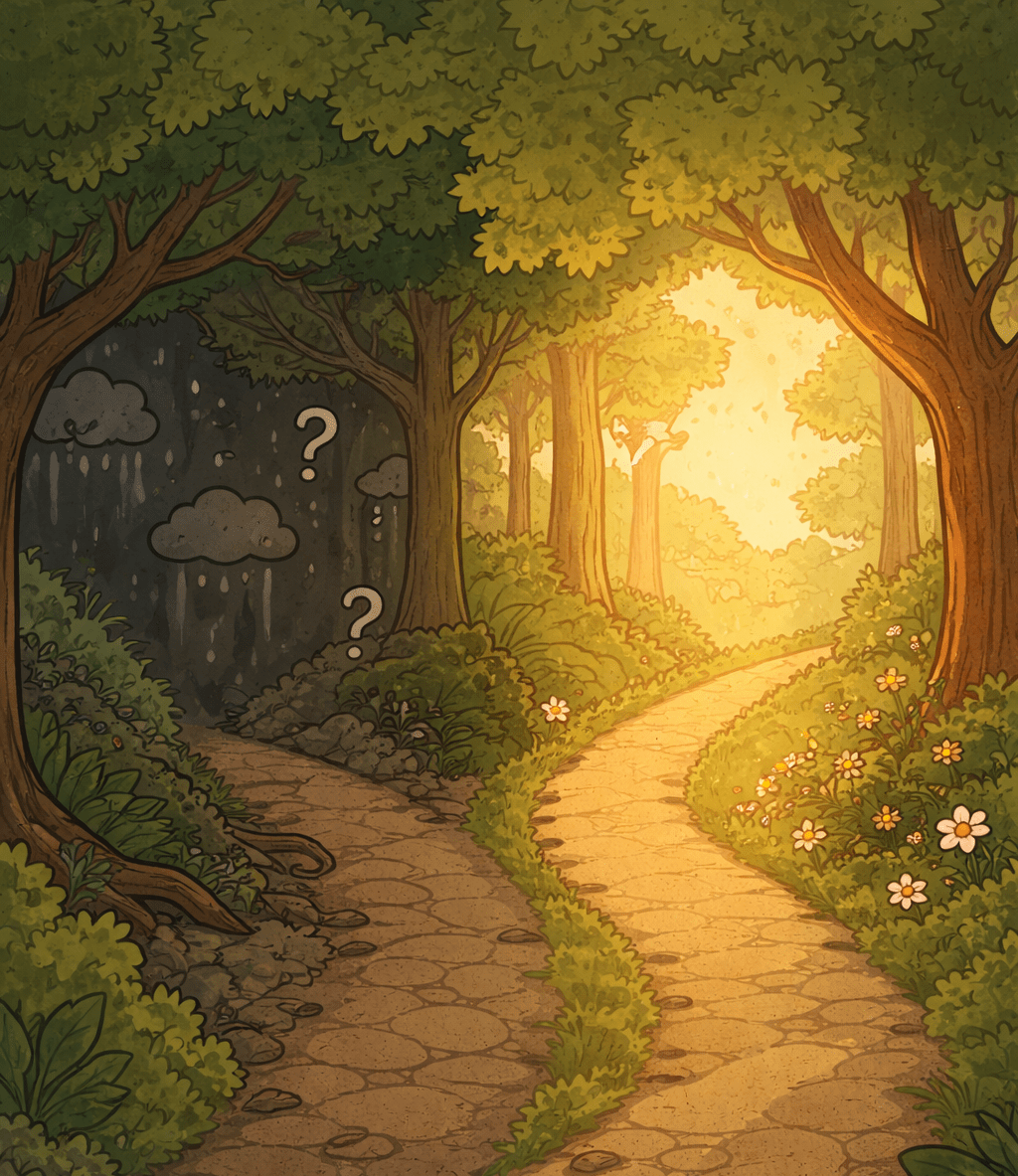
  • The Grief and Relief of Getting Diagnosed

    The Grief and Relief of Getting Diagnosed

    By Christine — late-diagnosed, autistic, and trying to put the puzzle pieces down.

    For most of my life, something felt… off. I couldn’t explain it, not in a way that made sense to anyone else. I just knew I was always trying.

    Trying to fit in. Trying to understand. Trying not to fall apart.

    Watching other people do things that seemed automatic. Conversations, friendships, everyday routines, and wondering why everything felt so much harder for me. Why I had to think about things that no one else seemed to think about. Why I could study people, copy them, rehearse what to say… and still feel like I was getting it slightly wrong.

    Like I was close enough to pass, but never close enough to relax. And then, one day, it finally had a name.

    Autism.

    A diagnosis. A word I had danced around for years. Circling it, avoiding it, almost saying it, but never quite letting it land. And then I said it out loud. And something in me cracked wide open. More like… a release. Like everything I had been holding together so tightly finally let go. And what poured out was a messy mix of relief… and grief.

    Relief: Finally, It All Makes Sense 

    I can’t lie, getting my diagnosis felt like the biggest exhale of my life. I wasn’t broken. I wasn’t lazy. I wasn’t crazy. I was autistic. And that explained so much.

    • Why noise makes me want to crawl out of my skin.
    • Why I shut down after a five-minute phone call.
    • Why I get lost in hyper fixations and can’t find the off switch.
    • Why changes to a plan feel like someone pulled the rug out from under my brain.

    Suddenly, I could look back on my life and see the truth in full color. Like I was in the dark and the lights got turned on. The meltdowns. The masking. The overwhelm. The people who didn’t understand me. The times I didn’t understand myself.

    There was finally a reason. And the reason came with something that I didn’t expect compassion. Not just from others, but from myself. For the first time in decades, I saw myself clearly. And I gave that younger version of me a hug she never got.

    Grief: Where Was This Sooner?

    But with the relief came a tidal wave of grief. Grief for the years I spent thinking I was just bad at being human. Not saying and doing the things naturally. Grief for the friendships that fell apart because I couldn’t show up the way people wanted. Grief for the burnout, the shutdowns, the loneliness, the shame. I grieved the tools I didn’t have. The support I didn’t know I needed. The parts of myself I packed away just to survive.

    And mostly? I grieved the time.

    All the years spent pretending, performing, pushing through the things that were quietly breaking me. They say late diagnosis is like reading the manual after the machine’s already broken down.

    Yeah. That.

    And there’s something deeply painful about realizing, it was never supposed to be that hard and that it didn’t have to be.

    It’s Complicated

    Getting diagnosed as an adult is…. strange. There’s no parade. No neat little welcome package. No step-by-step guide or instructions. No built-in support team rushing in to help you rewire your life. You’re just left there, holding this new word in your hands like a mirror seeing yourself clearly for the first time and wondering how to rebuild. So, this is me.. I guess it’s still me just a mess of confusion and analyzing. But it was a sense of clarity, powerful, overwhelming. Because now it can never be unseen.

    You start replaying your life in your head, moments, conversations, relationships, and everything looks different. Things that once felt confusing suddenly make sense. And things you blamed yourself for… don’t sit the same anymore. But with that clarity comes a new question:

    Now what? It’s not all better overnight. But it is something. It’s a start.

    Rewriting the Story

    Since my diagnosis, I’ve been unlearning a lifetime of shame. Slowly, messily, In ways I didn’t even realize that I needed. I’ve been giving myself permission to stop pretending. To stop forcing myself to do what hurts.

    To say no. To stim. To rest.

    To ask for support and not apologize for needing it. I’m still grieving. That part hasn’t magically disappeared. It might never ever fully go away. But alongside the grief, I am also healing. I’m learning to live in a way that actually works for me. Not to just survive this life but to find joy in it.

    If You’re There Too…

    If you’re newly diagnosed, or wondering if this might be your story too, I see you. You might feel like your whole world just shifted. Because it did. You might feel angry, lost, relieved, raw, overwhelmed, seen, or all the above.

    You’re not wrong. There’s no wrong way to feel this. Let yourself grieve. Let yourself rest. Let yourself feel the freedom of finally knowing. You don’t need to rush the process; you don’t have to it all figured out. Its different for everyone this is what I experienced.

    And then, let yourself begin again. On your terms this time.