(AKA: How to Not Accidentally Torture Us with Your Lighting Choices)
I’ve stayed in dozens of hotels. Some felt like cozy little havens. Others? Like a sensory escape room designed by Satan’s interior decorator. Most are somewhere in the middle — well-meaning, but totally unaware of how jarring the experience can be for neurodivergent folks.
So here’s a letter (with some helpful sass) to every hotel that wants to do better… but doesn’t quite know how.
The Basics Matter More Than You Think
Overhead lights are the devil’s spotlight Please. We beg. Lamps. Dimmable switches. Warm bulbs. That harsh, flickering overhead light makes us feel like we’re about to be interrogated on a crime drama — and we’re not even guilty (except maybe of hoarding snacks).
Perfume is not ambiance. It’s attack. Your lobby doesn’t need to smell like a tropical fruit funeral. Scented sprays, plug-ins, and overly fragrant cleaners are instant migraine fuel. If a room smells like “trying to cover something up,” I’m already plotting my exit.
Surprise knocks = meltdown speedrun Want me to cry in the bathroom? Knock unexpectedly. Better yet, let me opt out of housekeeping. Or schedule things like maintenance with a little warning so I’m not panicking in a towel.
Simple info is useful — and even better when it’s digital. We love a good online info sheet we can zoom in on. Big font, clear bullet points, and easy-to-read layout makes a huge difference. It’s eco-friendly and accessible — screen readers can handle it, and our brains can too.
Let us pick our room location (or at least the general area). Give us the option to choose a quieter zone — away from elevators, vending machines, bars, and ice machines that sound like Thor having a bad day. Avoiding sensory overload starts with picking the right spot to sleep.
Let us know what to expect before we get there. Surprises are not our love language. Predictability is. Clear info online about lighting, noise levels, scent policies, and what the rooms actually look like helps us plan and feel safe. Bonus points for virtual tours or honest photo galleries.
Ask first, assume nothing Not every neurodivergent person has the same needs — but many of us would love if you just asked what might make our stay more comfortable. It’s not awkward. It’s thoughtful. And it helps avoid me dragging a mattress into the bathtub at 2AM because it’s the only quiet place.
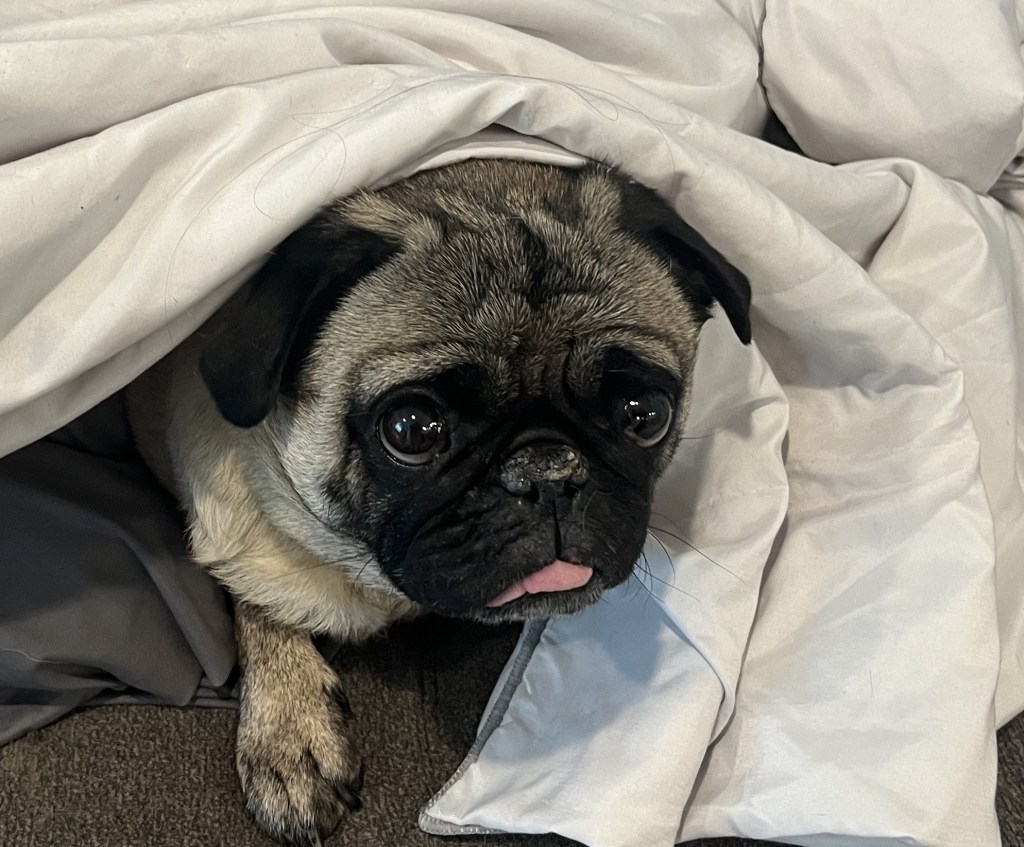
Hotels that offer this? I’d book faster than my dog spots a dropped French fry. Which is VERY FAST.
The Bottom Line:
We’re not picky. We’re just trying to stay regulated in a world built for people who don’t get overwhelmed by invisible buzzes, blinking lights, or hotel rooms that smell like “aggressively lemon-scented panic.”
Letting us rest, regulate, and not melt into a stress puddle? That’s hospitality magic.
When neurodivergent folks feel safe and respected, we become the most loyal guests you’ll ever have. We’ll write reviews. We’ll recommend you. We’ll mentally adopt your front desk clerk as our new aunt.
So, let’s build a world where we don’t have to pack half our house just to feel okay in a hotel room.
(or Just Like Peace, Predictability, and Low Stress)
Let’s be real: I’m not looking for a champagne welcome or gold-plated doorknobs. I just want a hotel that’s calm, clean, and not a sensory obstacle course. I want a place where I can regulate, rest, and feel like a human again after a long drive or overstimulating outing.
As someone with autism, ADHD, and an intense dislike for scratchy sheets, surprise noises, and weird smells, I’ve learned to read hotel reviews like a detective. Here’s how I decode them:
“Vibrant energy” = overstimulation hell
“Walls are thin” = enjoy your neighbor’s 3AM phone call in surround sound
“Chill and quiet” = yes please, I love you already
So, what’s the dream hotel experience for someone like me? Let’s break it down.
The Overall Vibe I’m Looking For
Quiet, calming energy — no chaotic layouts, overpowering smells, or echoey hallways
Clean, minimal rooms — fresh and functional without feeling sterile
Respectful staff — no pressure, no upsells, and no knocking when “Do Not Disturb” is on
Intuitive design — I shouldn’t need a tech manual to figure out the lights or blinds
I want a space that feels safe, not like sensory overload in disguise.
Predictability = Autism Gold
I feel better when things are predictable. Here’s what helps:
Can I pick my room in advance?
Online check-in available?
Website looks modern and updated?
Reviews that feel honest and recent?
The Hotel Soundtrack (AKA Sensory Overload in 4D)
To avoid a hotel room that sounds like a construction zone or a toddler birthday party, here’s what I look for:
Top floor — no stompy giants above me
Away from the pool — unless you enjoy shrieking children and weird water sounds
Far from the gym — unless 6AM treadmill thunder is your thing
Avoid being near elevators, ice machines, or party-rental rooms
Avoid housekeeping closets — unless vacuum ASMR is your vibe
Carpeted hallways = less echo, more sanity (cement floors are quieter than wood)
Cleanliness = Safety
For me, a clean room is more than a preference — it’s essential. It affects how safe and regulated I feel. A dirty room creates instant trust issues. What I look for:
Fresh bedding (no mystery stains)
No dust or hair (especially in corners, vents, or the bathroom)
Neutral smell — not perfumey, not mildewy, just… neutral
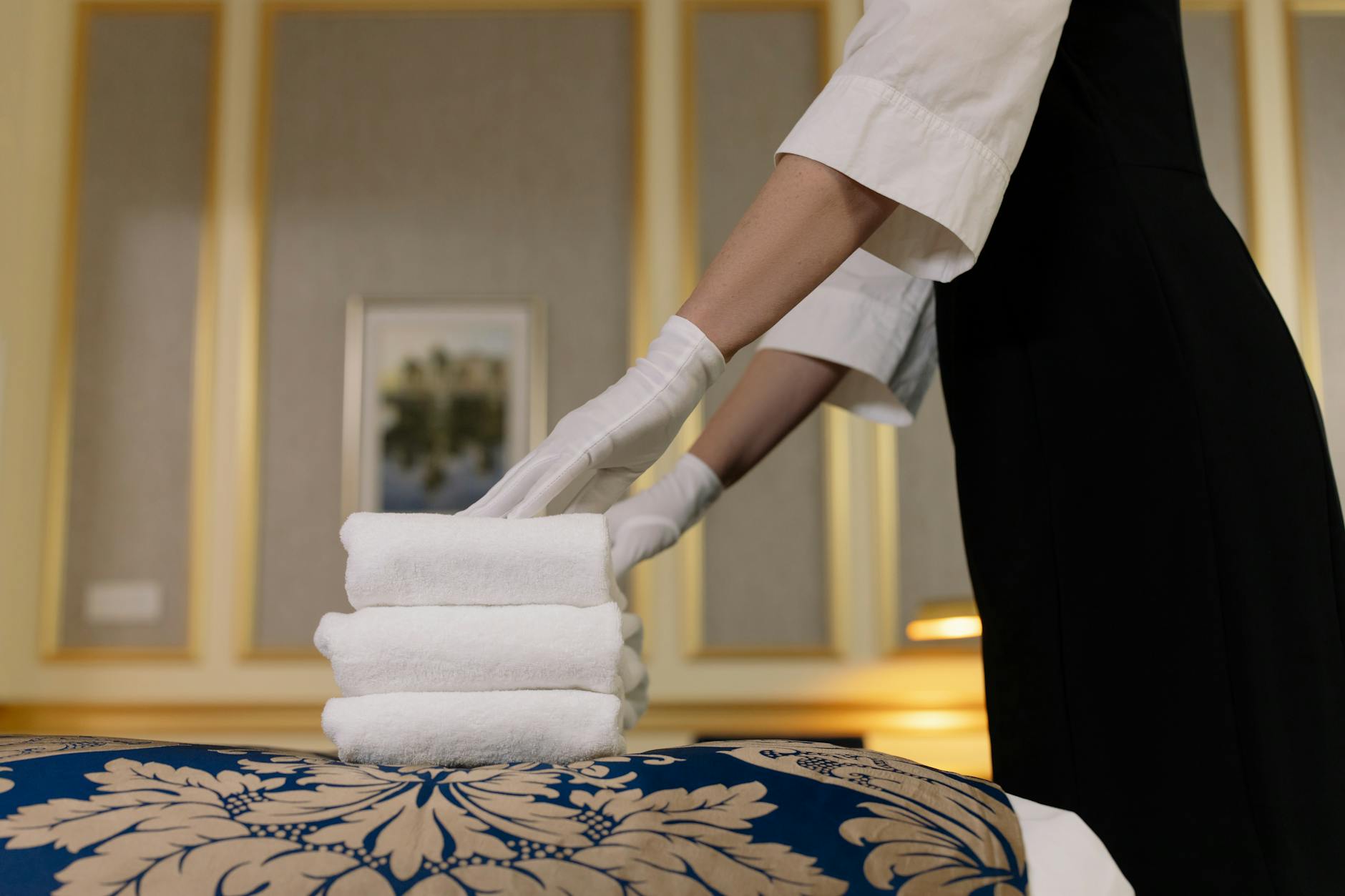
Dry, clean towels folded properly
When a hotel gets it right, I rave about it. When they don’t? I notice everything. 😬
Sensory Reactions Are Real It’s not just about what looks clean — it’s about how it feels.
Smell Matters. A Lot. If I walk in and it smells like artificial florals, mildew, or old takeout, I’m already overwhelmed. That “we’re trying to cover something up” smell? No thanks. No guessing games. No “name that cheese smell” vibes.
Visual Cleanliness = Mental Calm Clutter or grime is distracting and dysregulating. My brain starts scanning: “What else isn’t clean?” Clean lines, white bedding, and uncluttered surfaces help me relax.
Lighting Affects Regulation Harsh fluorescent lights buzz. Literally. I prefer soft, adjustable lighting so I can wind down at night.
Texture Matters Scratchy sheets? Nope. Thin towels? No thanks. I bring my own blanket because I trust it more than hotel bedding.
✅ to all the above? Nice.
Hotel Policies & Perks
A few extras that really help when you’re dysregulated or just tired:
Will they hold your bags?
Flexible check-in or late check-out?
Free breakfast (because life is expensive and snacks are essential)
An app that lets me check in, message the front desk, and skip awkward conversations? YES PLEASE.
Comfort Is Non-Negotiable
A mattress that isn’t made of bricks or like its stuffed with springs of broken dreams
Pillow options (firm and soft = chef’s kiss)
No weird noises — I check for squeaky doors, buzzing fridges, or thin walls
Accessibility Isn’t Extra — It’s Essential
Even if you’re not using a wheelchair or mobility aid, thinking about accessibility helps everyone. But for folks who do, it can be the make-or-break part of a hotel stay. Here’s what I look for (or wish I could count on):
Elevators that don’t play hide and seek
Doors wide enough for wheelchairs and mobility aids
Step-free entrances — not just “we have a ramp around the back by the dumpster”
Grab bars in the bathroom (that don’t feel like they’ll rip off the wall)
Showers that aren’t high-step horror shows
Bonus points for hotels that list this clearly online instead of making you email and wait 4 business days for answers. Everyone deserves to feel safe and welcome — without needing to MacGyver their way into a bathroom.
Sensory Survival Kit: What I Always Pack (Just in Case)
Packing light and “going with the flow” is great… for other people. I prepare, plan, and overthink — because unpredictability is exhausting, and I need my tools to regulate and stay grounded.
These aren’t just travel extras. These are my lifelines. When a hotel isn’t quite what I expected (too loud, too bright, smells weird, mystery bedding), I’m not stuck spiraling — because I came prepared. Here’s what I always bring:
Noise-canceling headphones – For blocking out stompy hallway giants, screaming kids, or just… the world
Sleep mask – Because I can’t regulate when there’s a blinking light, hallway glow, or 4AM sunrise
My own blanket – Trusty, sensory-approved, and better than the weird hotel ones every time, help to regulate me with familiar smells.
Backup snacks – For when my safe foods are not around and room service feels like a social panic trap
Comfort items – Whatever helps me feel safe: a fidget, plushie, calming scent, or weighted item
This is my version of self-care — not because I’m “high maintenance,” but because the world wasn’t built for people like me. And I’m not taking chances with my regulation on the road.
TL;DR — That Was a Lot of Words, So Here’s the Sensory-Safe Cheat Sheet:
Too long? Didn’t read? Got overwhelmed halfway through? No worries — I got you. Here’s the summed-up, no-fluff version of how to hotel like a sensory-sensitive ninja:
Quiet AF – Top floor, away from party zones, no stomp parade overhead
Actually Clean – No mystery stains, smells, or “we tried” vibes
Predictable – App check-in? Modern website? No awkward small talk? Yes please
Lighting that Doesn’t Fight You – Soft, dimmable, not buzzing like a bug zapper
Smells Like Nothing – No floral cover-ups or “what is that?” funk
Not a Sensory Minefield – Simple layout, no chaos decor, no confusing tech
Respectful Staff – Boundaries respected, no pushy upsells, no surprise knock-knocks
Functional Rooms – Mattress that doesn’t fight back, options for pillows, fridge, blackout curtains
Accessibility matters too — Smooth entries, elevators that work, and bathrooms that won’t try to kill you.
Nature Nearby – Or at least not sandwiched between a nightclub and a freeway
Perks That Help – Flexible check-in/out, bag holding, and free breakfast (because snacks = survival)
Don’t Forget Your Sensory Survival Kit:
Noise-canceling headphones
Sleep mask
YOUR blanket (the hotel one doesn’t count)
Sensory-safe foods
Comfort items (whatever your brain needs to not melt)
 NeuroExplorer